In partnership with


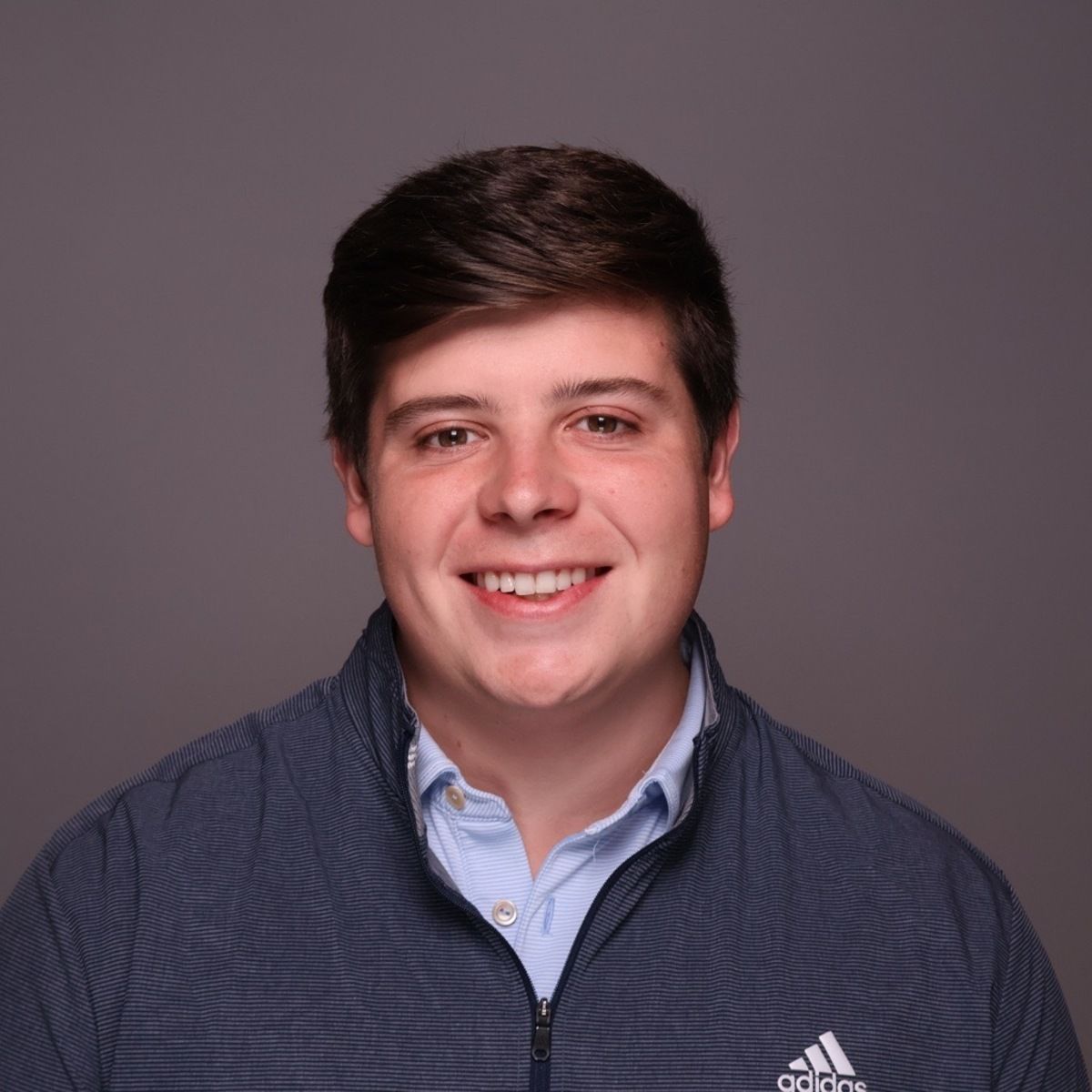
Meet Mike Neligan.
Employee #15 at Excel Sports Management. Employee #4 at VaynerSports. Founder of Outlier Sports. CEO, CMO, strategic advisor, consultant.
The list of titles and accomplishments is long.
But Mike’s career in sports started the same way a lot of careers do: trying to figure out where he fit.
At Penn State, Mike originally planned to study advertising. He loved sports, had a creative brain, and dreamed of working on the kinds of campaigns he grew up watching from brands like Nike and ESPN. However, once he started the program, it didn’t take long to figure out that this wouldn’t be the path for him. The work felt more political than creative, so he pivoted.
A conversation with an advisor led him into one of the first sports journalism programs in the country at Penn State. Mike had no interest in becoming a traditional reporter, but the program sharpened something that would become one of the biggest strengths of his career: communication.
Writing, sales decks, recruiting presentations, strategy documents, partnership pitches, client communication… It all started there.
With that being said, what ended up being the most impactful part of the program wasn’t any of the classes, but rather another requirement.
As a senior, Mike realized he needed an internship to graduate, which was quite the predicament because he didn’t have one. Instead of scrambling to find a lackluster opportunity last minute, he and another student got approval from their professor and launched their own magazine.
For the first time in his life, Mike became obsessed with something.
He remembers sitting in computer labs until sunrise perfecting layouts and editing stories while the rest of campus was out at the bars. He founded the magazine, became editor-in-chief, secured funding from the university, and eventually stood in the student union handing out physical copies himself. He loved it, and at the time had no idea how big of an impact his work would have.

Mike’s Career Path
After graduation, Mike struggled to find work. The PR job he desperately wanted rejected him, and for a second he thought he might have to move back home while he tried to figure it all out.
Then he stumbled across a strange job posting online.
“Do you like sports? Apply here.”
No company name or job description - just a cryptic listing that led Mike into a tiny Manhattan office where he was handed a 100-question baseball trivia test.
He crushed it.
The headhunter looked at him afterward and told him it was the highest score she had ever seen. An hour later, Mike was interviewing with Topps, the iconic baseball card producer.
When they questioned his lack of experience, Mike pulled out the magazine he had created at Penn State, and that became the difference. The team at Topps told him the work was more impressive than what some of their own employees could create, and Mike landed his first job in sports.
At first, he was just trying to survive in New York City and learn the industry, but he quickly realized something that his other young colleagues seemed to be missing: the people who advanced weren’t always the smartest people in the room - they were the people who made themselves valuable.
Every day at 4:30 PM, when the office cleared out, Mike stayed.
Originally, it was because of the train schedule back to New Jersey (appreciated the honesty here, Mike), but what started as a logistical decision quickly became a differentiator. When executives had work or projects come up, and Mike was the only junior employee left in the bullpen, the work became his. He started helping departments outside his role, especially marketing and licensing, and just being in those rooms changed the entire trajectory of his career.
One day, Roger Clemens came into the office for an autograph signing. Everyone crowded around asking for memorabilia, everyone but Mike. Clemens noticed and asked him, “do you not want anything signed?” Mike simply told him he didn’t think it was professional while he was on the clock.
Clemens turned to his agent and said, “aren’t you looking for a junior agent? This is your guy.” A few weeks later Mike packed up his belongings at Topps and was off to Hendricks Sports Management to launch his career in athlete representation and marketing.
What is Fractional Work?
Fractional work is a growing business model where experienced professionals work with multiple companies at the same time instead of joining one organization full-time. Rather than being a traditional employee, a fractional executive or consultant is brought in to solve specific problems, lead projects, provide strategic guidance, or fill expertise gaps for a set number of hours or days each month.
In sports, fractional work is becoming more common across marketing, partnerships, content, operations, athlete branding, and business strategy. Teams, agencies, startups, and brands often need high-level expertise, but may not need or be able to afford a full-time executive. Fractional professionals give organizations access to experienced operators without the cost or commitment of a permanent hire.
For someone like Mike, fractional work means advising multiple sports organizations at once while helping each business with areas like athlete marketing, sponsorship strategy, creative direction, business development, and organizational growth. Instead of building one company internally, he now plugs into several different businesses and helps them scale from the outside.
The model requires versatility, communication skills, and the ability to quickly understand different business challenges. It also gives experienced professionals more flexibility, independence, and control over the type of work and clients they take on.
At Hendricks, Mike worked closely with that senior agent and his team and began learning every side of the business: recruiting, client services, endorsements, contracts, and player management. He was working with some of the biggest talents in baseball, and absolutely loving it.
In the blink of an eye, 6 years flew by before the next wrinkle in this story.
Mike’s team was leaving Hendricks and became part of the hot new agency on the block, Excel Sports Management, now widely considered one of the “Big 4” sports agencies.
Suddenly, he found himself working alongside some of the most respected agents in the industry, including Casey Close (Derek Jeter), Mark Steinberg (Tiger Woods), and Jeff Schwartz (Jason Kidd, Paul Pierce, etc). Mike describes it like this: he wasn’t the Michelin chef yet, but he was in the kitchen with them every day watching them cook.
At Excel, Mike evolved beyond baseball representation and started building expertise across multiple sports in marketing, partnerships, and brand strategy. He became an expert on both sides of the table, understanding the athletes, and understanding the brands. He didn’t stay in one lane, and that quickly became his advantage. And because Excel was still relatively small during those early years, Mike had direct access to leadership and opportunities that wouldn’t exist at a larger company.
His time at Excel shaped him into the expert he is now, but eventually, after more than a decade with his group across Hendricks and Excel, Mike transitioned out of the agency.
Briefly, he spent time with Brooklyn Sports & Entertainment while navigating a non-compete. But the next major chapter of his career started with someone you might know…
Gary Vaynerchuk.
The two first connected while working on a Derek Jeter campaign with Budweiser. Mike helped develop the idea behind “This Bud’s For 2,” a retirement campaign celebrating Jeter, while Gary Vee’s team produced the creative.
Years later, after multiple conversations and recruiting efforts, Mike joined VaynerSports as Employee #4 to help build Gary Vee’s sports agency from the ground up.
Mike played a foundational role at VaynerSports. At different points, he found himself serving as CMO, CEO, and everything in between. The agency grew rapidly, eventually scaling to around 70 employees while expanding across NIL, athlete marketing, consulting, and brand work.
He had reached the top of the mountain in the world of corporate success, but it also came with pressure. As the company scaled, so did the demands. The nonstop pace, the constant notifications, the responsibility of managing people and growth, and the stress of always being “on” eventually caught up to him.
At the same time, his life outside of work was changing too. Mike became a father and started thinking differently about success, balance, and what kind of life he actually wanted to build.
That shift eventually led him to launch his own consultancy: Outlier Sports.
Today, Mike works fractionally across more than a dozen organizations spanning talent, brands, and sports properties. Instead of sitting inside one company full time, he helps organizations solve problems, build strategy, and create opportunities across sports business, leveraging his decades of sports business expertise to provide best in class support.
In a lot of ways, the role fits the exact career Mike had been building toward all along.
He never stayed in one lane. Check.
He wanted breadth. Check.
He wanted creativity. Check.
He wanted the ability to connect dots across the sports industry in a way most people couldn’t. Check.
Mike’s career is defined by bold move after bold move. It also has a streak of luck running through it that everyone would love to have. Mike will even admit it himself. But the key here is that you have to allow yourself to get lucky. You have to work incredibly hard to put yourself in those fortuitous positions over and over again until you hit.
Mike put himself in positions where luck could find him. Work hard, be bold, be creative and luck might find you too.
Q&A: Becoming a Leading Sports Marketing Executive with Mike Neligan

Q. Your career has touched talent representation, brand strategy, consulting, entrepreneurship, and sports marketing. For someone early in their career, how do you recommend building a broad skill set without losing focus?
A. Early in my career, I benefited from being an empty cup and just paying attention and asking questions.
I’m very grateful my first boss was patient with all those questions and allowed me to pick holes and dissect things so that I could learn. And I learned that asking a question that helped me learn is all that matters.
A lot of young people seem to ask questions to make themselves look smart, and they assume they already know the answer and don’t really learn anything.
I had this intense desire to understand how the agency business worked and that drove me to soak everything up as a sponge. I’d also say don’t over-romanticize having the perfect path. Some of the best experiences come from saying yes to opportunities outside your comfort zone where you can fail. As most people know, you don’t really learn from success but you absolutely do from failure.
Q. You talked about the value of being around elite agents early in your career at Excel. What did that environment teach you, and how should someone early in their career evaluate the people they are learning from?
A. Being around elite agents early in my career set a floor that I now realize is extremely high.
I love the saying “the distance between good and great is a vast ocean”
I realized very quickly that the top people in this business operate differently. They communicate, prepare, build relationships differently and have this commitment to excellence in everything they do that most people simply don’t.
But the best people I’ve worked with aren’t just naturally talented. They are incredibly consistent, patient, and prepared. They understand leverage which is what business is really all about. They invest in and protect relationships.
For someone early in their career, I think it’s critical to evaluate not just who is successful financially, but how they became successful. Are they respected? Do people trust them? Do they make others around them better? Do they handle adversity well? I also think proximity matters more than titles early in your career. Being close to high performers raises your standards whether you realize it or not.
Q. Imposter syndrome came up multiple times during our conversation, especially during major career transitions. Looking back now, what helped you push through those moments and gain confidence in your own abilities?
A. I think imposter syndrome is a lot more common than people admit, especially during a change or when you’re stepping into a new room where you’re not sure how things operate.
What helped me most was realizing that confidence usually comes after action, not before it. A lot of people are waiting to feel fully ready before they act, but most growth happens when you’re slightly uncomfortable.
I also learned that everybody has gaps. The people you admire most are often figuring things out in real time too. The difference is they trust themselves enough to keep moving. Confidence is just stacking small reminders to yourself that you’re capable and do the things you say you will.
Over time, my confidence came from evidence. Delivering results. Solving problems. Building relationships. Seeing that I could create value in different environments. That starts to quiet the voice in your head that says you don’t belong.
I’d also say having perspective helps. Early in my career, I put a lot of pressure on every opportunity. As I got older, I realized careers are long. There is not one recruiting meeting, one pitch, one client, one company that defines you.
Key Takeaways
1. Put yourself in position to get lucky
Mike didn’t get lucky by accident. He created his opportunities by staying late, building relationships, creating his own magazine at Penn State, and constantly putting himself in rooms where opportunities could happen. Luck matters in sports, but most of the time it comes after a long stretch of intentional work.
2. Understand the 3 R’s
Mike believes almost everything in talent representation comes back to three things: recruiting, retention, and revenue. Whether you work in athlete marketing, sponsorship, sales, or client services, understanding how your work supports one of those three areas will make you more valuable inside any organization.
3. Learn how to think, not just what to do
One of the biggest themes throughout Mike’s career was breadth. He moved across talent, brands, properties, marketing, strategy, and consulting because he understood how to connect ideas across different parts of the industry. Technical skills matter, but the people who rise long term are usually the ones who can think critically, communicate clearly, and adapt quickly.
Feeling Inspired? Check out these opportunities.
Other Opportunities
Closing Thoughts
Thank you for reading this week’s edition of So You Want to Work in Sports. I appreciate you being part of this community.
If you have ideas, feedback, or future guest suggestions, feel free to reach out at [email protected].
If you want more hands-on support as you navigate the start of your career within sports, book a 1:1 session with me here. The sooner you start preparing, the more confident you will feel when opportunities come your way.
Win the week!
-Ethan
Want more from Mike?
Connect on LinkedIn
Fast browsing. Faster thinking.

Your browser gets you to a page. Norton Neo gets you to the answer. The first safe AI-native browser built by Norton moves with you from idea to action without slowing you down. Magic Box understands your intent before you finish typing. AI that works inside your flow, not beside it. No prompting. No copy-pasting. No switching apps.
Built-in AI, instantly and for free. Privacy handled by Norton. Built-in VPN and ad blocking protect you by default. No configuration. No extra apps. Nothing to think about.
Fast. Safe. Intelligent. That's Neo.