In partnership with


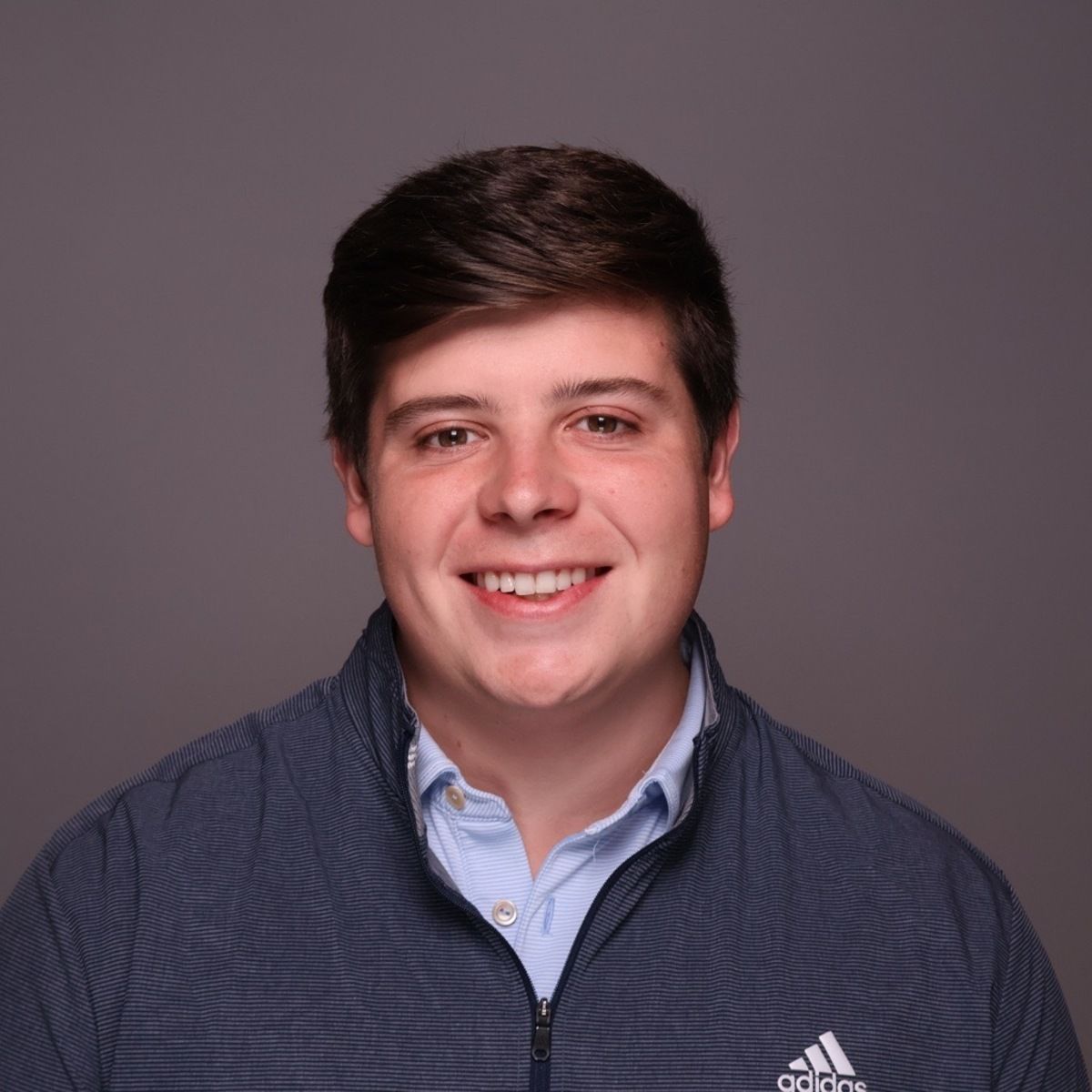
Daniel grew up in New Jersey, just outside of New York City. Like most kids in the area, he grew up playing soccer. But alongside that, he had another hobby - collecting autographs.
Whenever professional teams came through town, Daniel and his friends would go to team hotels, wait outside, and try to catch players as they arrived or headed out. At first, it was just about meeting players and getting a signature. But over time, he started paying attention to who else was walking in and out of those hotels.
Not just players… staff.
Coaches, administrators, athletic trainers - people who had built careers in the game without ever playing professionally.
We’ll come back to that, because as Daniel got older, he came to the same realization a lot of athletes do. A professional playing career wasn’t in the cards. Still, he wasn’t ready to leave the game behind. So, he started figuring out how he could stay close to it.
He initially pursued physical therapy; drawn to the impact he saw firsthand during his own experiences from his time as a player. But once he got into it, something felt off. The work was meaningful, but it wasn’t specific to the environment he cared about most - he wanted to be more tied to the athletes.
That led him to athletic training, where everything clicked.
During college at Montclair State, he started building experience beyond his school organized rotations, determined to take his athletic training career to the big leagues. One of his first opportunities came with the New York Red Bulls as part of the stretcher crew, joining a friend who was also on the stretcher team. He never actually was called into play (thankfully), but it did put him on the sideline with a front row view to what his future could hold.
Being around the team inspired him to change his approach to those moments outside the team hotels.
Instead of waiting for players, Daniel started seeking out the staff. Before teams came into town, he would look up the athletic trainers, learn their names and faces, and be ready when he saw them. When the opportunity came, he’d introduce himself, hand them his resume, and keep it moving.
It was simple, direct, and intentional. No long conversations, no trying to force something that wasn’t there. Just enough to make an impression.
He did it over and over again.
Eventually, those introductions started turning into something more.

Daniel’s Career Path
By 2020, Daniel had worked his way into a real opportunity.
After connecting with staff and continuing to follow up, he landed a 12-week internship with the Seattle Sounders - the defending MLS Cup champions at the time.
It was the kind of break he had been working toward. His big chance.
Then COVID hit, and the opportunity disappeared before he ever made it out to the PNW.
There wasn’t much he could do about it, so he shifted his focus back to what he could control. He accepted a role at Clemson as a graduate assistant, returning to school to further his education, and also positioning himself to gain some collegiate level experience.
Before he even got to campus, he reached out to the men’s soccer athletic trainer and asked how he could get involved. The answer was simple. Show up to training.
So he did.
Daniel started out in a small role, mostly observing and helping with small tasks. But through showing up every day he started to build relationships with the players and staff, take on more responsibility, and by the end became someone that the team relied on. I witnessed first hand as he won over both the players and staff. That same year, Clemson went on to win a national championship, giving Daniel exposure and credibility within the broader soccer ecosystem.
That ended up being bigger than he realized.
Every year Daniel made it a point to attend the MLS Medical Symposium, where all the league’s athletic trainers were in one place for end of season meetings. He would pay his own way, flights, hotels and his ticket, all for the chance to network with whom he hoped would be his future colleagues. Daniel came to these events prepared. He brought resumes for every team and made it a point to introduce himself, not just to the head trainers, but to anyone in the room who was on a similar path. And his credibility with Clemson made it all the easier.
One of those connections opened the door for his next opportunity with Inter Miami.
Daniel had introduced himself to a staff member previously and followed up again as the summer approached, curious to hear if there were any opportunities for him to get involved. The answer came quick - they wanted him to come down for the summer and work with the team.
There was just one catch - the opportunity was unpaid.
For two months, he would need to relocate and cover his own expenses just to be there. It wasn’t an easy decision. He talked it through with his family, weighing the cost against the opportunity. Ultimately, he decided it would be worth it.
What is an Athletic Trainer?
An athletic trainer is a healthcare professional who specializes in the prevention, evaluation, treatment, and rehabilitation of injuries for athletes. They work directly with players on a daily basis, managing everything from minor muscle strains to long-term recovery plans, with the goal of keeping athletes healthy and performing at their best.
At the collegiate and professional levels, athletic trainers are embedded within the team environment. Their responsibilities can include running treatment sessions, developing rehab protocols, coordinating with team physicians, and being present at every practice and game to respond in real time. The role requires a strong foundation in sports medicine, but just as importantly, the ability to build trust with athletes, communicate across departments, and operate in high-pressure environments where decisions can directly impact performance and availability.
Things started to roll from there.
The next opportunity came with New York City Football Club - an opportunity to join the club as a Sports Medicine Fellow in 2023 following his graduation from Clemson. It was another example of an earlier connection paying off years down the line with an opportunity.
The role put him inside a first-team environment again, this time with more responsibility and more visibility, but he treated it the same way he had treated every opportunity before it.
Be prepared. Do the work. Build relationships.
At the end of the season a spot opened up on the first team staff. The stars had aligned.
Daniel stepped into a full-time role as an Assistant Athletic Trainer with the NYCFC first team, making a jump from his intern position that is very rare.
But it doesn’t surprise me one bit. He put in the work time and time again, poured into the networking, chased the opportunities. Now he’s in his third season working at the highest level of the game he never wanted to leave.
Be bold, be relentless, and you might find yourself in a similar position.
Q&A: Becoming an MLS Athletic Trainer with Daniel Aguiar-Salazar

Q. From MLS medical symposiums to introducing yourself directly to team staff, you’ve taken a very proactive approach to networking. For someone walking into those environments for the first time, what should they focus on and how can they separate themselves from everyone else in the room?
A. Coming prepared. Know who the person you are approaching is, and know a little about their background to see if there is any connection you guys may have. Same university etc. Have a resume ready, and do not be afraid to approach these individuals.
Q. At the professional level, you’re working with high-profile athletes where trust, communication, and consistency matter every day. How do you go about building those relationships and earning credibility in that kind of environment?
A. It comes down to reading the room, and letting everything flow naturally. Not forcing the relationships. In addition, finding something you guys can connect with. For the Latin american players it was the language and culture. Being the only Spanish speaker on medical staff it helped build the rapport really quick. For the American players and those who came from college it was the Clemson soccer connection. With trust, credibility comes second nature.
Q. Making the jump from intern to a full-time role isn’t easy. Now that you’ve been on both sides of that process, what do you look for in interns that tells you they’re ready for the next level?
A. Interns you have to be proactive. Finding ways to stay busy and anticipating anything that can come up and needs to be taken care of. Also, making an impact, not just being a body in the training room. Lastly, ask questions, and engage.
Key Takeaways
1. Be bold
Daniel’s path wasn’t built on waiting for opportunities to come to him. From approaching staff outside team hotels to handing out resumes at league events, he consistently put himself in positions most people would avoid. The sports industry is competitive, and standing out often requires doing things that feel uncomfortable at first.
2. Play the long game
Some of Daniel’s earliest connections didn’t pay off right away. In some cases, it took years. But by staying consistent, following up, and continuing to show up, those relationships eventually turned into real opportunities. Careers in sports are rarely linear, and patience matters more than most people realize.
3. Master your craft
Getting in the door is one thing. Staying there is another. What separated Daniel once he had his opportunities was the quality of his work. He built trust with athletes, paid attention to details, and became someone people relied on. At the highest level, your work has to match your ambition.
Feeling Inspired? Check out these opportunities.
Closing Thoughts
Thank you for reading this week’s edition of So You Want to Work in Sports. I appreciate you being part of this community.
If you have ideas, feedback, or future guest suggestions, feel free to reach out at [email protected].
If you want more hands-on support as you navigate the start of your career within sports, book a 1:1 session with me here. The sooner you start preparing, the more confident you will feel when opportunities come your way.
Win the week!
-Ethan
Fast browsing. Faster thinking.

Your browser gets you to a page. Norton Neo gets you to the answer. The first safe AI-native browser built by Norton moves with you from idea to action without slowing you down. Magic Box understands your intent before you finish typing. AI that works inside your flow, not beside it. No prompting. No copy-pasting. No switching apps.
Built-in AI, instantly and for free. Privacy handled by Norton. Built-in VPN and ad blocking protect you by default. No configuration. No extra apps. Nothing to think about.
Fast. Safe. Intelligent. That's Neo.