Sponsored by


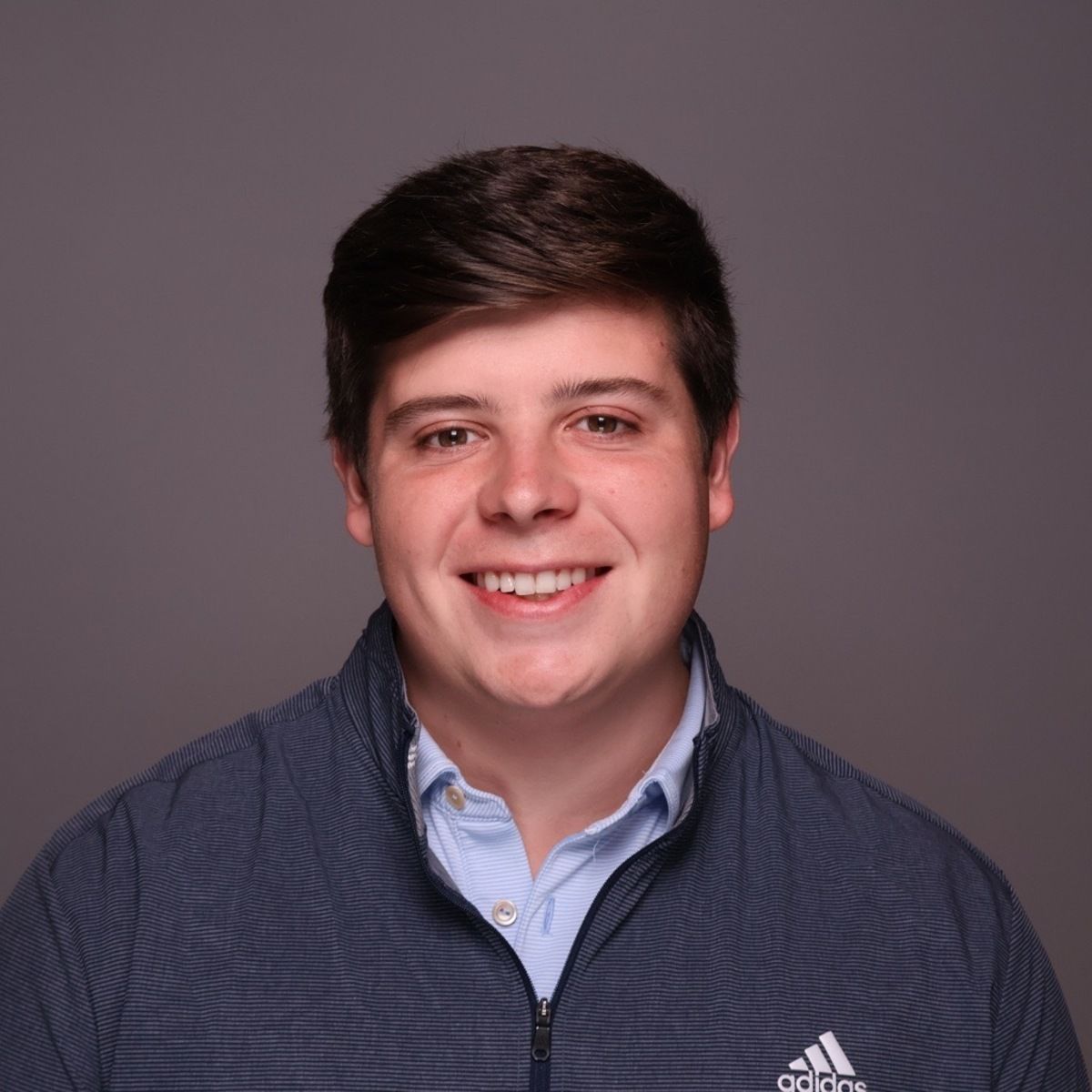
Meet Luis Morales.
Growing up in Venezuela, Luis Morales always had a love for sports. What he didn’t know was that working in sports could actually be a career.
Baseball was everywhere in his home country, but the business behind it was much harder to see. The professional sports industry in Venezuela was small, and Luis had never played organized baseball himself. So, rather than pursuing a collegiate degree related to sports, he studied accounting.
Then, while in college, he saw a former soccer player on television talking about pursuing a master’s degree in sports administration at UCLA.
Lightbulb moment.
Luis finished his accounting degree, but started looking for ways to build experience in sports before pursuing a master’s of his own. Through a family connection, he landed an opportunity with Leones del Caracas, one of Venezuela’s most prominent professional baseball clubs. He started in the accounting department before eventually moving into baseball operations, getting his first real look at how a professional organization in sports worked.
That experience gave Luis a start, but getting to the next level would require him to create some opportunities of his own.
At the time, Luis was writing a column for a small sports website on the side. By his own admission, almost nobody was reading it, but that didn’t stop him from putting it to use.
He began emailing people who worked in international departments for Major League Baseball organizations. He introduced himself, mentioned the column and his experience with Leones, and asked if they would be willing to share some advice about working in international baseball.
And to his surprise, people actually responded.
One of those conversations connected Luis with the Cleveland Guardians organization, who happened to be looking for exactly the type of background he brought to the table. He spoke Spanish, understood the culture in Venezuela, had a college degree, and, unlike many former players entering baseball operations, was comfortable with the administrative side of the business.
The cold outreach turned into an opportunity, and Luis spent the next four years working for Cleveland's Venezuelan operations.
He had officially broken into Major League Baseball.

Luis’ Career Path
Luis was progressing in baseball, but there was still one goal he hadn't checked off.
Graduate school.
His original plan was to come to the United States to earn a master’s degree in sports administration, and he eventually decided he wasn't going to let his job in Venezuela keep him from following through on the bigger objective. He knew that getting to the United States and continuing his education would open doors for even greater opportunities. So Luis resigned from the Guardians, moved to South Florida to attend St. Thomas University, and started looking for ways to continue his journey in the industry.
That came in the form of an opportunity with the St. Louis Cardinals at their complex in Jupiter, Florida.
There was just one catch.
It was an internship.
Luis had already spent years working full-time in professional baseball. He had earned promotions, built relationships and established himself in Venezuela. Now, he would essentially be starting over.
A humbling experience for most, but Luis saw it differently. He was in a new country, pursuing his master’s and still needed to build experience working in the United States. If an internship is what got him inside another Major League organization while he was in school, he was willing to take the temporary step backward.
It paid off when at the end of the internship, the Cardinals offered Luis a full-time position in international operations. What followed was a 12-year run with the organization, as Luis worked his way from assistant to coordinator, assistant director, and eventually Director of International Operations and Administration.
Along the way, his work became about much more than baseball.
Luis helped oversee the development of young international players, many of whom were leaving their home countries as teenagers to chase an opportunity in professional baseball. The Cardinals provided English classes, educational resources and eventually developed a high school program to help prepare players for life beyond the field.
Luis still remembers the first graduation.
One parent approached him afterward and told him she was even prouder watching her son graduate high school than she had been when her son signed his professional contract.
For Luis, that was the job.
He loved baseball and wanted to win, but he also knew only a small percentage of the teenagers entering the system would ever reach the Major Leagues. Helping them become better prepared for whatever came next mattered just as much.
What is International Sport Operations?
International sports operations is the behind-the-scenes work that allows teams, athletes, and competitions to function across countries. Depending on the organization, that can include coordinating travel, transportation, hotels, meals, training schedules, player services, competition requirements, and communication between teams, leagues, federations, and other partners.
The work can look very different depending on which side of the industry you’re on. With a team, the focus is often making sure players and coaches have everything they need to perform. With a governing body like FIBA, it shifts toward organizing the competition itself and creating an environment where every participating team can operate successfully. Either way, it’s a detail-oriented career built around logistics, problem-solving, communication, and making sure everything behind the scenes runs according to plan.
After more than a decade with the Cardinals, though, Luis began asking himself whether he wanted to spend the next ten or fifteen years continuing down this path.
The answer eventually led him away from the sport where he'd built his entire career.
Luis had always loved soccer, and when an opportunity with U.S. Soccer gave him the chance to apply what he had learned in international player development to a completely different game, he made the leap.
Luis joined as a Youth National Team Administrator, traveling around the world with the U-20 Men’s National Team and managing the countless details required to keep a national team operating. Argentina, Mexico, Spain…travel of a lifetime.
His work in player administration then continued with a brief stop in New York City with MLS side, NYCFC, before another opportunity brought him back home to South Florida, this time with FIBA Americas.
Today, Luis serves as Manager of Competitions, helping organize international basketball events throughout the Americas.
Different sport, different side of the business, but still the same skillset.
After spending most of his career working for teams, Luis now gets to see competition from the organizer's perspective. He thinks about everything from team transportation and venue operations to sponsor requirements and the experience athletes have when they arrive at an event.
More than twenty years after getting his first opportunity in Venezuela, Luis has now worked in professional baseball, international soccer, and international basketball across organizations including the Guardians, the Cardinals, U.S. Soccer, NYCFC and FIBA.
Not bad for an accountant who didn't know working in sports was an option.
Q&A: Building a Career in International Sports with Luis Morales

Q. You’ve worked across baseball, soccer, and basketball. What skills have translated most effectively between sports, and what did you have to relearn each time?
A. Organization, attention to detail, and always trying to anticipate and prepare for potential problems are skills that translate well across any sport. What I’ve had to relearn with each sport is how to understand and adapt to different coaching styles, team dynamics, and the specific needs of the players and coaches. Each sport has its own way of operating, so I’ve learned to recognize where I can be most helpful and provide the best service to the players and coaches.
Q. You left a full-time role with the Guardians in Venezuela to return to school and take an internship with the Cardinals. What gave you confidence that taking a step backward in title could move your career forward long term?
A. At that particular moment in my career, I felt that continuing my education was the right decision. I knew that the knowledge and experience I would gain would open doors to new opportunities in sports that might not have been available to me otherwise. Taking an internship meant stepping back in title, so it was definitely a calculated gamble, but I viewed it as an investment in my long-term career rather than a step backward. I was confident in my abilities, and I trusted that if I continued to develop my skills, I would be able to create new opportunities for myself.
Q. You’ve spent much of your career working with international athletes and teams. How important have language skills and cultural understanding been to your success, and what advice would you give someone who wants to work internationally in sports?
A. More than just knowing the language or understanding the culture, it’s extremely important to understand how to communicate, interact, and behave in different environments. In many international situations, you’re not always able to be on-site, so you have to depend on other people to help execute your plans and expectations. Building strong relationships, communicating clearly, and understanding how people work and respond in different cultures are critical.
My advice to anyone who wants to work internationally in sports would be to be curious, adaptable, and willing to learn. Don’t assume that the way you communicate or work in one country will be effective in another. Take the time to understand the people and culture, build trust, and make sure your expectations are clear.
Key Takeaways
1. Don’t lose track of the big picture
Luis left a full-time role with the Guardians to pursue his master’s and eventually accepted an internship with the Cardinals. It looked like a step backward, but that internship became a 12-year career with the organization.
2. Your skills will travel
Luis has moved across baseball, soccer, and basketball, applying the same foundation of operations, logistics, communication, and athlete support at each stop. The sport changed, but his skill set continued to translate.
3. Leverage what makes you unique
Luis’s Venezuelan background, bilingualism, and understanding of Latin American culture gave him a perspective many others in the industry didn’t have. Those differences became some of his biggest professional strengths.
Feeling Inspired? Check out these opportunities.
Closing Thoughts
Thank you for reading this week’s edition of So You Want to Work in Sports. I appreciate you being part of this community.
If you have ideas, feedback, or future guest suggestions, feel free to reach out at [email protected].
If you want more hands-on support as you navigate the start of your career within sports, book a 1:1 session with me here. The sooner you start preparing, the more confident you will feel when opportunities come your way.
Win the week!
-Ethan
Want more from Luis?
Connect on LinkedIn
Two Congress Passes for the Price of One

Code 2FOR1 gets you two WeAreDevelopers World Congress passes for the price of one — so don't make the trip to Silicon Valley solo.
San José, CA · September 23–25, 2026. 10,000+ developers, 500+ speakers, 20+ stages, and the full software development lifecycle in one place.
On stage: Kelsey Hightower, Thomas Dohmke (former GitHub CEO), Christine Yen (Honeycomb), Olivier Pomel (Datadog) — the people building the tools you use every day. Three days of AI, agents, cloud, security, and architecture, plus workshops, live coding, and the official Congress party.
Bring the builder you'd want in the room with you.