In partnership with


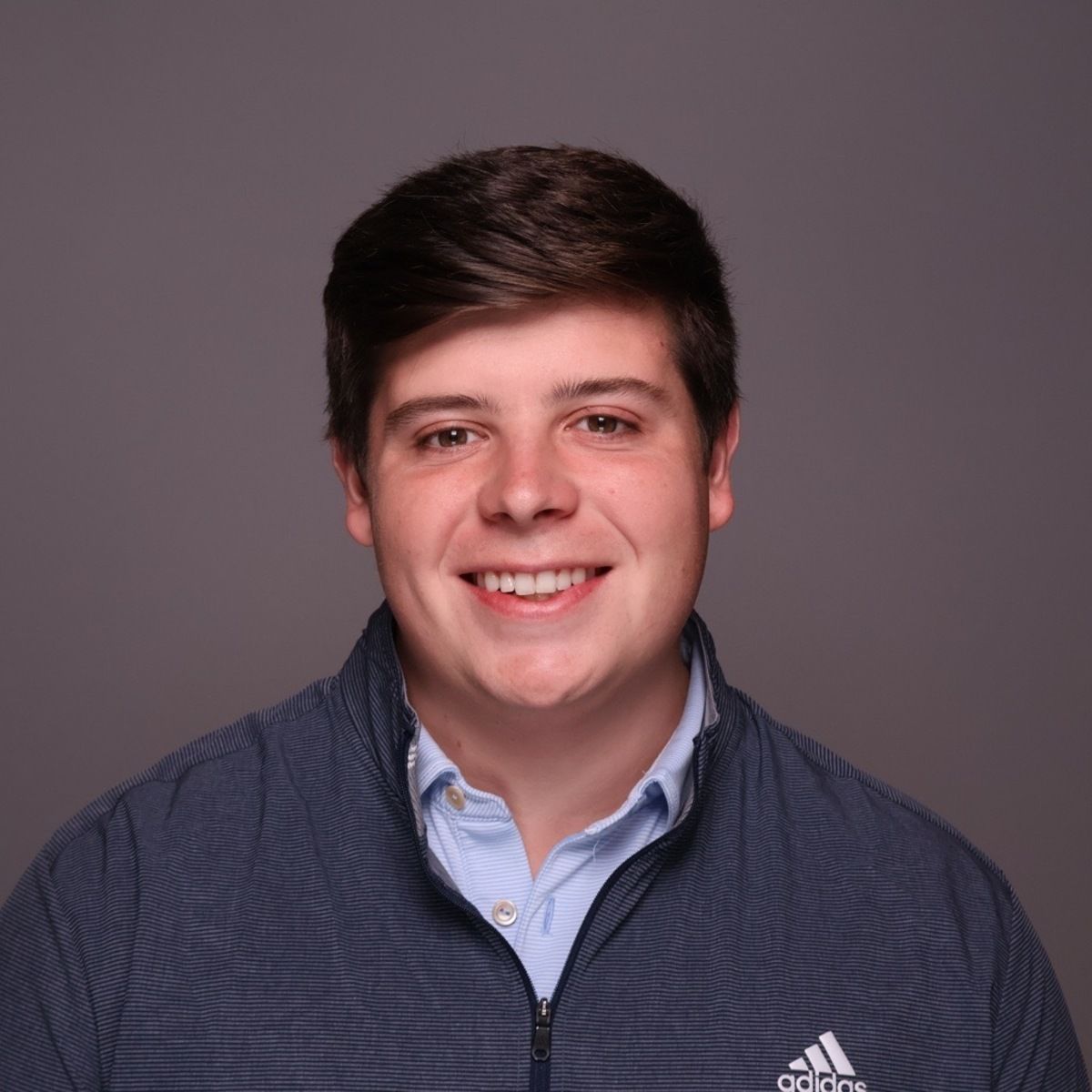
Meet Lily Herring.
Lily’s career has already included agency life, collegiate athletics, Super Bowl campaigns, crisis communications, and work on one of the most recognizable sponsorships in sports.
But it hasn’t always been smooth sailing…and that’s what makes her journey so special.
Lily grew up in Wilmington, North Carolina with a childhood filled with sports. She played them, watched them, and even started working on them fairly early in her life, spending summers working camps and events for the Wilmington Hammerheads, a USL club in her hometown. It was here that she got the bug for the world and business behind the games themselves.
That interest eventually led her to the University of South Carolina, home of one of the top sports management programs in the country.
Originally, South Carolina wasn’t even on her radar. She just happened to tour the school while in town for a soccer tournament and quickly became interested in the university’s sports management program. From that point on, she found herself comparing every other school back to South Carolina. None stood a chance.
Through the program she was able to work at The Masters, serve as a Gamecock Ambassador, and most importantly spend her final semester as a full-time intern for Gamecock Athletics, working on nearly every corner of the athletic department, from football and basketball to volleyball, swimming, rowing, and equestrian.
Armed with that experience, Lily landed a trainee role following graduation with MKTG working on Toyota’s Olympic and motorsports business, much of it centered around NASCAR. The position was structured as a six-month evaluation period before full-time hiring decisions were made.
Lily loved it and was truly having a blast, but at the end of those six months, her manager told her they would not be keeping her on.
At the time, it completely caught her off guard.
Now that she’s been in the industry, she sees it a little differently.
Lily will tell you that approached the role too casually. She loved the people, loved being around sports, and loved the environment, but she had not yet fully learned how to separate enjoying the work from performing at the level expected professionally.
That became one of the most important lessons of her career, and while the rejection stung, it was the kick in the butt she needed to turn things around.

Lily’s Career Path
She got back to the job search and a few months later landed an entry-level role at 160over90 in communications and PR. A little different from her previous work, and not something she was particularly seeking out, but the opportunity gave her a fresh start and a chance to rebuild momentum early in her career.
Over the next three years, she worked her way from entry-level tasks like building media lists and writing pitches to helping shape larger communications strategy for the brands she worked with. By the end of her time there, she had become one of the most experienced people on the account team outside of senior leadership. Pretty good for someone who had never touched PR before.
She also built incredibly strong relationships internally, including with her manager who would end up playing a major role in the next step of her career.
After 3 years at 160over90, Lily had reached the ceiling of her role. There wasn’t room on the team for a promotion, but she had proven to herself and her team that she was capable of more responsibility. Her manager saw it too.
Rather than holding Lily back, her manager respected her enough to help her take the next step. She sent Lily a job posting at Anheuser-Busch, made the introduction internally, and helped open the door to an opportunity she knew Lily was ready for.
A couple of weeks later, Lily joined the Anheuser-Busch communications team. She spent the first year working across brands including Stella Artois, Estrella Jalisco, and Kona Big Wave.
Then the Bud Light crisis happened (yeah… that one).
The brand suddenly found itself at the center of one of the most heavily scrutinized corporate crises in the country. Internally, the company was looking for experienced communications leaders to help navigate the situation.
Lily was still relatively early in her career and had never done crisis management, but she raised her hand anyway. To her surprise, they brought her over.
Over the next two years, Lily helped lead communications work surrounding Bud Light and the NFL. She executed major campaigns around the Super Bowl and teamed up with athletes and creators like Post Malone, Shane Gillis, Zach Bryan, Peyton Manning, George Kittle, and more to revitalize the public image of the iconic light beer.
When it was all said and done, the team had helped drive a massive turnaround in public sentiment around the brand, something Lily is especially proud to have been part of.
What is Sports Communications?
Sports communications focuses on how teams, leagues, athletes, and brands communicate with fans, media, and the public. The role sits at the intersection of media relations, storytelling, branding, and reputation management.
At the team and league level, communications professionals handle responsibilities like coordinating interviews, writing press releases, managing press conferences, preparing athletes and coaches for media appearances, and supporting game day media operations.
On the brand side, sports communications often revolves around sponsorship campaigns, athlete partnerships, major events, and public relations strategy. Professionals may help launch campaigns around moments like the Super Bowl, manage media outreach, coordinate creator partnerships, and guide messaging during both positive moments and crises.
The role requires strong writing and communication skills, but also adaptability and emotional intelligence. Sports communications professionals work in fast-moving environments where deadlines shift quickly and public perception matters. One day might involve planning a campaign launch. The next could involve helping navigate a crisis situation.
People who succeed in sports communications are typically proactive, detail-oriented, calm under pressure, and strong relationship builders.
Despite how much she enjoyed the work, Lily and her fiancé eventually made the difficult decision to move back to Charlotte from New York. The move meant walking away from Anheuser-Busch without another opportunity lined up.
Lily’s approach to unemployment was pretty simple. Network, network, network. During her job search she met with more than 65 people across sports, marketing, and entertainment.
She also continued to raise her hand in the community, joining the board of directors for Charlotte Sports + Business, an organization that hosts events and serves as a connector for sports industry executives across the Queen City (this is how Lily and I met)!
After joining the board, Lily was intentional about meeting one-on-one with her fellow board members. One introduction led to another. Kristen connected her with Cameron. Cameron introduced her to Vika. Vika connected her to Amanda.
And Amanda became her boss.
This week, Lily starts her new role as Senior Manager of Communications at Elevate, helping lead external communications efforts for one of the fastest-growing agencies in sports and entertainment.
Looking back, Lily talks openly about the importance of relationships, consistency, and staying confident during uncertain stretches.
She also talks a lot about ego - more so, not having one.
Some of the biggest opportunities in her career came because she was willing to ask questions, accept criticism, learn from mistakes, and keep raising her hand anyway.
Her phrase for it is “confidence without ego.”
Confident enough to go after opportunities before you feel fully ready.
Grounded enough to keep learning once you get there.
Q&A: Building a Career in Sports Communications with Lily Herring

Q. South Carolina has one of the strongest sports management programs in the country. Looking back, how much did that experience shape your career path and prepare you for the sports industry?
A. South Carolina’s Sport and Entertainment Management program is, in my opinion, unparalleled. The curriculum was current and dynamic, the professors were not only wonderful teachers but had real first-hand experience as leaders in the industry, and the access we were given to athletes, orgs and events has to be among the best in the country. I would say my time at USC solidified my devotion to the industry, without giving me a false sense of reality of what it means to work in sports. Somewhat unfortunately, South Carolina also taught me to appreciate sports, regardless of the actual results on the court or the field. Lastly, the alumni network at South Carolina is one of the more powerful assets at our disposal. Gamecocks are ride or die for each other even years after graduation and I will always be grateful for those I’ve met through South Carolina.
Q. During your unemployment stretch, you met with more than 65 people while trying to break back into the industry. How were you approaching networking during that time, and what advice would you give to someone trying to build meaningful relationships in sports?
A. I never went into the process with expectations or specific objectives, both as it relates to each individual conversation and the larger process. Every conversation was another opportunity to get my name out there, and I really had to trust the process that eventually the work I put in would pay off. It took longer than I expected, but I’m so grateful that unemployment forced me to make these connections.
My main advice: don’t take things personally. People won’t respond to you. They’ll ignore your messages and tell you no. I promise it has nothing to do with you and the more you can go through this process with objectivity and maintain your confidence in yourself, the stronger you’ll come out.
Q. Your first full-time opportunity in sports didn’t go the way you hoped, and you’ve been very honest about how much you learned from that experience. What would you say to a young professional whose first role or early career experience isn’t going according to plan?
A. First and foremost, be honest with yourself if this is really where you want to be. I honestly think I got lucky by getting fired because I undeniably would have stayed in that role, and I didn’t realize that I hated the work until I was forced out.
Success is so much about mindset in my opinion. If you can treat every bad thing or unfortunate circumstance as a lesson instead of a “why me” moment, you’re already a step ahead. Me getting fired was an important lesson that I was lucky to get extremely early in my career, and I’m grateful it gave me the opportunity to become better for it.
Key Takeaways
1. Confidence without ego
Raise your hand for opportunities before you feel fully ready, but stay willing to learn, listen, and do the unglamorous work that comes with growing in sports.
2. Relationships change careers
Some of Lily’s biggest opportunities came from people who believed in her, advocated for her, and made introductions at the right time. Build real relationships and invest in people long before you need something from them.
3. Setbacks are part of the process
Lily’s first job in sports did not work out the way she hoped, but the lessons from that experience helped shape the rest of her career. Early setbacks do not define you unless you let them.
Feeling Inspired? Check out these opportunities.
Closing Thoughts
Thank you for reading this week’s edition of So You Want to Work in Sports. I appreciate you being part of this community.
If you have ideas, feedback, or future guest suggestions, feel free to reach out at [email protected].
If you want more hands-on support as you navigate the start of your career within sports, book a 1:1 session with me here. The sooner you start preparing, the more confident you will feel when opportunities come your way.
Win the week!
-Ethan
Want more from Lily?
Connect on LinkedIn
2026 State of AEO Report

A year ago, most marketers weren't thinking about AI search. Now it's one of the fastest moving channels in the industry and nobody has a playbook yet.
So we built one. We surveyed hundreds of marketers to find out how they're approaching answer engine optimization, where they're investing, what's actually working, and what isn't.
The result is the 2026 State of AEO Report. Real data. Real strategies. A clear picture of where AI search is headed and how to get ahead of it.