Sponsored by


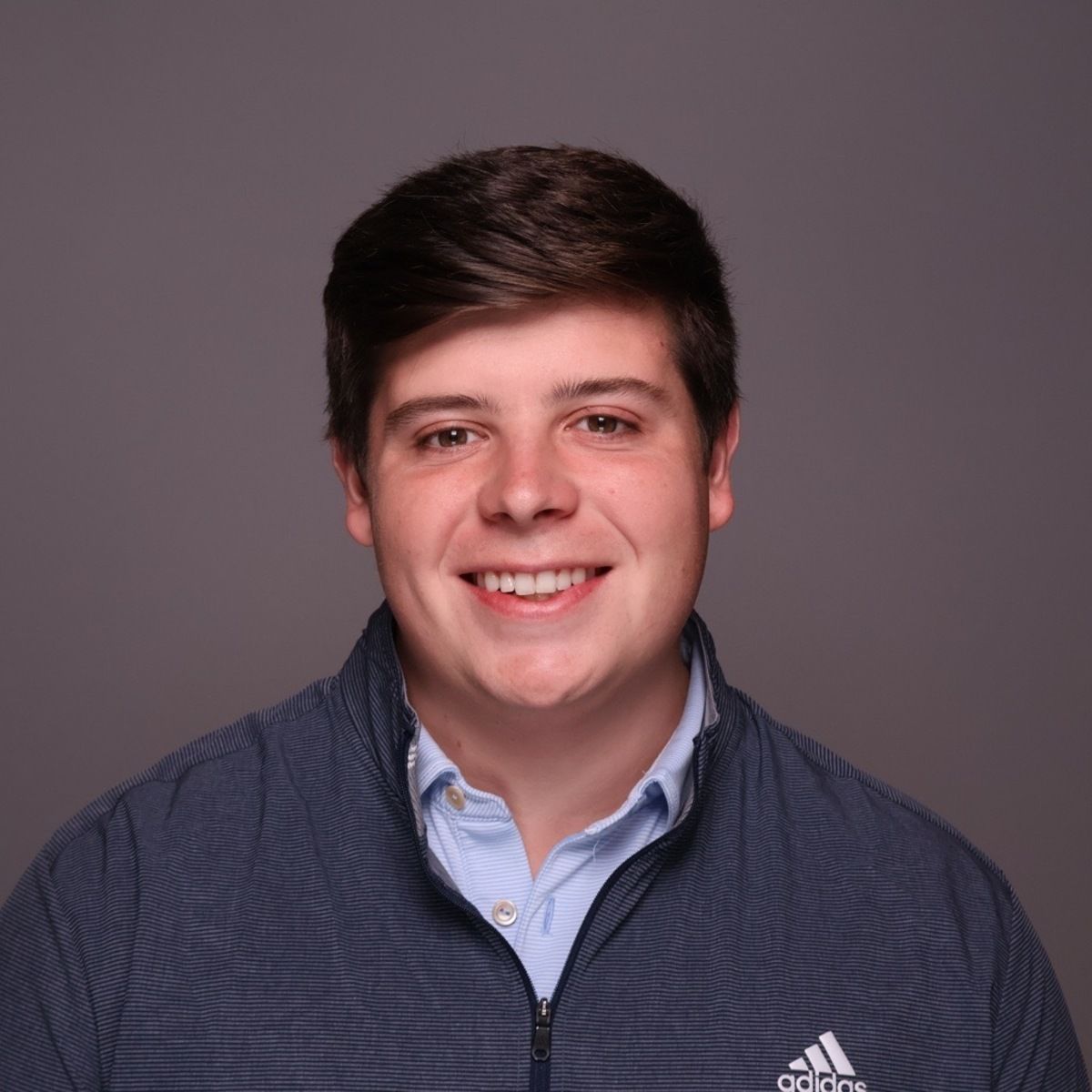
When Bryan Bedford was 10 years old, he went to his first Final Four.
Sitting inside Reunion Arena in Dallas, Bryan remembers looking around in amazement. He had watched these teams on television just days earlier, and now he was seeing them compete in person. But as much as he loved the basketball, he was equally fascinated by everything happening around the game.
Who painted the Final Four logo on the court? Who made the event-specific T-shirts? Who were the people sitting in those expensive seats, and how did they get there?
That curiosity stuck with him throughout high school and eventually followed him to Southern Nazarene University, where he arrived with a plan to study Business Administration and find his way into the sports industry.
While competing on the cross country and track teams, Bryan wrote for the school newspaper, did some broadcasting and play-by-play, interned with sports information, and gained experience at a local radio station. He wasn't exactly sure what he wanted to do in sports, so he tried a little bit of everything.
Then, during his senior year, a professor approached him about an opportunity with the Oklahoma RedHawks, the Triple-A affiliate of the Texas Rangers.
A new ballpark was being built in downtown Oklahoma City, and the team needed interns to help sell group tickets. Bryan applied, landed the position, and alongside two other college students, essentially became the team's entire group sales department.
The timing couldn't have been much better. Oklahoma City didn't have the Thunder yet, and the new ballpark was a big deal. Tickets were selling, and Bryan and his fellow interns were making more money through commissions than some of the team's full-time employees.
Naturally, Bryan assumed the team would want to keep them around, but, unfortunately, when the season ended, so did their contracts.
After a brief stretch substitute teaching and refereeing youth football, Bryan landed a job in radio sales, where he found himself cold calling businesses from a phone book, trying to sell advertising to anyone who would listen.
He wasn't particularly good at it, and he didn't enjoy it either. Looking back, Bryan considers that experience an important lesson in figuring out what he wasn't good at.
But thankfully another opportunity was going to come from where he least expected…

Bryan’s Career Path
Bryan's former track coach called with some unexpected news. Southern Nazarene was preparing to launch a football program, and he needed someone to handle the business and operational side of building it - Bryan was his first choice.
So, at 22 years old, and with very little experience under his belt, Bryan became the university's Director of Football Operations and Recruiting, tasked with helping create a football program from scratch.
And when I say from scratch, I mean it.
There were no players, no coaching staff, no stadium, and no established schedule. Bryan helped manage budgets, recruit players, coordinate travel, handle compliance, and figure out just about everything else required to get a college football program off the ground. Over the next three years, he helped sign 180 players while also working toward his master's degree at the University of Central Oklahoma.
By 2002, Bryan was ready to see if he could make the jump to a bigger football program.
He heard about an opening at TCU, where Gary Patterson had recently taken over as head coach, and sent in his resume despite not knowing anyone on staff. Eventually, someone called back to say that while he was qualified, they expected to hire a former player.
Bryan figured that was the end of it.
But a couple of months later, with fall camp approaching, TCU called again. Their original plans hadn't worked out, and they wanted Bryan to come interview.
He drove to Fort Worth, spent the day meeting coaches and staff, and eventually found himself in front of Patterson, who asked whether Bryan thought he could help the program. He assured him he could, and just like that, he had the job.
Within days, Bryan packed up his life in Oklahoma City and moved to Texas.
The next two years were a whirlwind of recruiting, football operations, and seven-day workweeks. Bryan was doing exactly what he had hoped to do when he entered college, but life outside of work was beginning to change.
He had gotten married, and shortly afterward, he and his wife learned they were expecting their first child. At the time, Bryan was making about $25,000 a year, and he started thinking seriously about how he would support a growing family.
Through a series of connections, Bryan learned about a sales opportunity at XOS Technologies, a company that provided video and editing systems to professional and college sports programs.
When the offer came through for $40,000 plus commission, Bryan thought he had hit the jackpot.
He took the job and quickly realized that his experience in college football translated surprisingly well to selling technology. Recruiting had taught him how to build relationships, communicate value, and understand what athletic departments needed. Now he was applying those same skills to a different product.
Over the next eight years, Bryan rose through the organization, eventually becoming Vice President and helping expand XOS's business across professional and college sports. Along the way, he worked on emerging technologies like instant replay systems, digital conference networks, and video infrastructure inside athletic facilities. XOS would eventually become part of Catapult.
By 2011, Bryan was enjoying a successful career in sports technology, but he was starting to wonder what else was out there. He described the feeling as "batting .400 in Double-A." Things were going well, but he wanted to see if he could make it in the major leagues of technology.
Technology in Sports
Technology plays a role in nearly every part of the sports industry. Teams use data and video analysis to evaluate players, improve performance, and inform coaching decisions. On the business side, technology powers everything from ticket sales and sponsorship reporting to marketing and fan engagement. And inside stadiums and arenas, massive networks support the Wi-Fi, video boards, security systems, broadcasts, and countless other technologies that make the modern fan experience possible.
With all of that technology comes an enormous range of career opportunities. Companies that build and support these systems need professionals in sales, marketing, engineering, data analytics, product development, customer success, and more. Many of these roles allow you to work with some of the biggest organizations in sports while enjoying competitive compensation, opportunities for career growth, and potentially more traditional work schedules than jobs directly with teams or leagues. For anyone interested in working in sports, the technology companies supporting the industry are well worth exploring.
Around that time, a friend called to tell him a recruiter from Cisco had reached out about a position. Bryan knew Cisco was a major technology company and had seen some of its work with organizations like the Dallas Cowboys and New York Yankees. Beyond that, he didn't know a whole lot, but he figured it was worth exploring.
So, in January 2012, Bryan made the leap and joined Cisco to help build its technology and partner ecosystem across sports and entertainment.
Over the past 15 years, his responsibilities have expanded well beyond sports into media, broadcasting, retail, hospitality, and eventually much broader parts of the business. Along the way, he has taken on leadership roles in customer experience, industrial technology, and sales, repeatedly getting opportunities to develop new business lines and figure out how to scale them. And now, most recently, he has worked his way up to Director of Sales & Business Solutions, leading a team focused on complex opportunities across industries ranging from healthcare and manufacturing to financial services, hospitality, and sports.
As his career at Cisco progressed, and his responsibilities began taking him beyond sports, Bryan found another way to stay connected to the industry. In 2016, he founded Bedford Agency and Recruit Route, a business that grew out of years of friends and families asking him for help navigating college recruiting. Today, it provides consulting, education, and technology tools to help athletes, parents, coaches, and schools better understand recruiting and NIL.
Bryan considers it a side hustle, but an important one. It's given him an opportunity to explore his entrepreneurial interests and get hands-on experience running a business alongside his career at Cisco. And he believes that experience has made him better at his day job, too.
40 years ago, Bryan sat inside Reunion Arena wondering about all the people responsible for making the Final Four happen, and now he’s helping provide the technology that makes some of the biggest sporting events in the world possible.
Today, fueled by Bryan's work, Cisco partners with more than 500 teams, leagues, and venues across the sports industry. Since 2009, 75% of the new venues built across the five major professional sports leagues in the United States have chosen Cisco technology.
From the Wi-Fi fans use in their seats to the digital signage, broadcast infrastructure, and networks operating throughout the building, Bryan and his team help make the modern sports experience possible.
And the funny part? Most fans will never even notice it.
Which, as Bryan will tell you, is exactly how it's supposed to work.
Q&A: Building a Career in Sports Technology with Bryan Bedford

Q. There are a lot more ways to work in sports than working directly for a team or league. What opportunities do you think students and early-career professionals tend to overlook?
A. There are lots of opportunities at teams, leagues, vendors, consultants, agents, service providers and much more. Focus on your skill set, the things that give you passion and your ability to solve problems along the way and that should guide you. The team side of sports can be amazing, and it is likely something everyone that works in this space does for a period of time, but don’t be afraid to look elsewhere.
Q. Throughout your career, you’ve repeatedly been asked to build something without an established playbook. What does it take to be good at figuring things out as you go
A. I think it’s a mindset. I’m comfortable not being comfortable with things still forming and developing. Additionally, take input from the team, build a plan, don’t be afraid to fail fast, compete, challenge yourself and put great people around you and let them do their jobs and encourage the heck out of them.
Q. You broke into sports before there was much of a roadmap for doing it. If you were graduating from college today and trying to separate yourself from everyone else who wants to work in sports, what would you do?
A. Still think the basics are the best. Work hard, network like crazy, take on projects and do them right the first time, and if you have ever heard me speak, I always encourage young people to learn and refine their ability to write and communicate. Written communication is such a skill and critical as every as we dive headfirst into the AI era. Lastly, go for it. Take things head on. Go have a blast along the way!
Key Takeaways
1. Expand your definition of “working in sports”
Some of the most interesting opportunities in sports exist outside of teams and leagues. Bryan built an incredible career working for the companies that support the industry. Don't limit your job search to the organizations you see competing on the field.
2. Get comfortable figuring it out
At 22, Bryan helped launch a college football program with no established playbook. That experience taught him how to solve problems, take ownership, and build something from scratch. The ability to figure things out without being told exactly what to do is valuable in almost any role.
3. Your skills will transfer
Bryan's transition from college football recruiting to technology sales might seem like a major career change, but many of the skills were the same. Learning how to identify and communicate your transferable skills can open doors to opportunities you might never have considered.
Feeling Inspired? Check out these opportunities.
-Field Sales Representative | Nielsen (multiple markets available)
Closing Thoughts
Thank you for reading this week’s edition of So You Want to Work in Sports. I appreciate you being part of this community.
If you have ideas, feedback, or future guest suggestions, feel free to reach out at [email protected].
If you want more hands-on support as you navigate the start of your career within sports, book a 1:1 session with me here. The sooner you start preparing, the more confident you will feel when opportunities come your way.
Win the week!
-Ethan
Want more from Bryan?
Connect on LinkedIn
State of Product reveals what AI still hasn’t solved

80% of product professionals say AI helps them ship faster, but customers aren’t seeing value any sooner. Atlassian’s State of Product 2027 explores the gains AI is delivering and the challenges that remain, from decision-making that hasn’t kept pace to gut instinct overriding customer evidence.