In partnership with


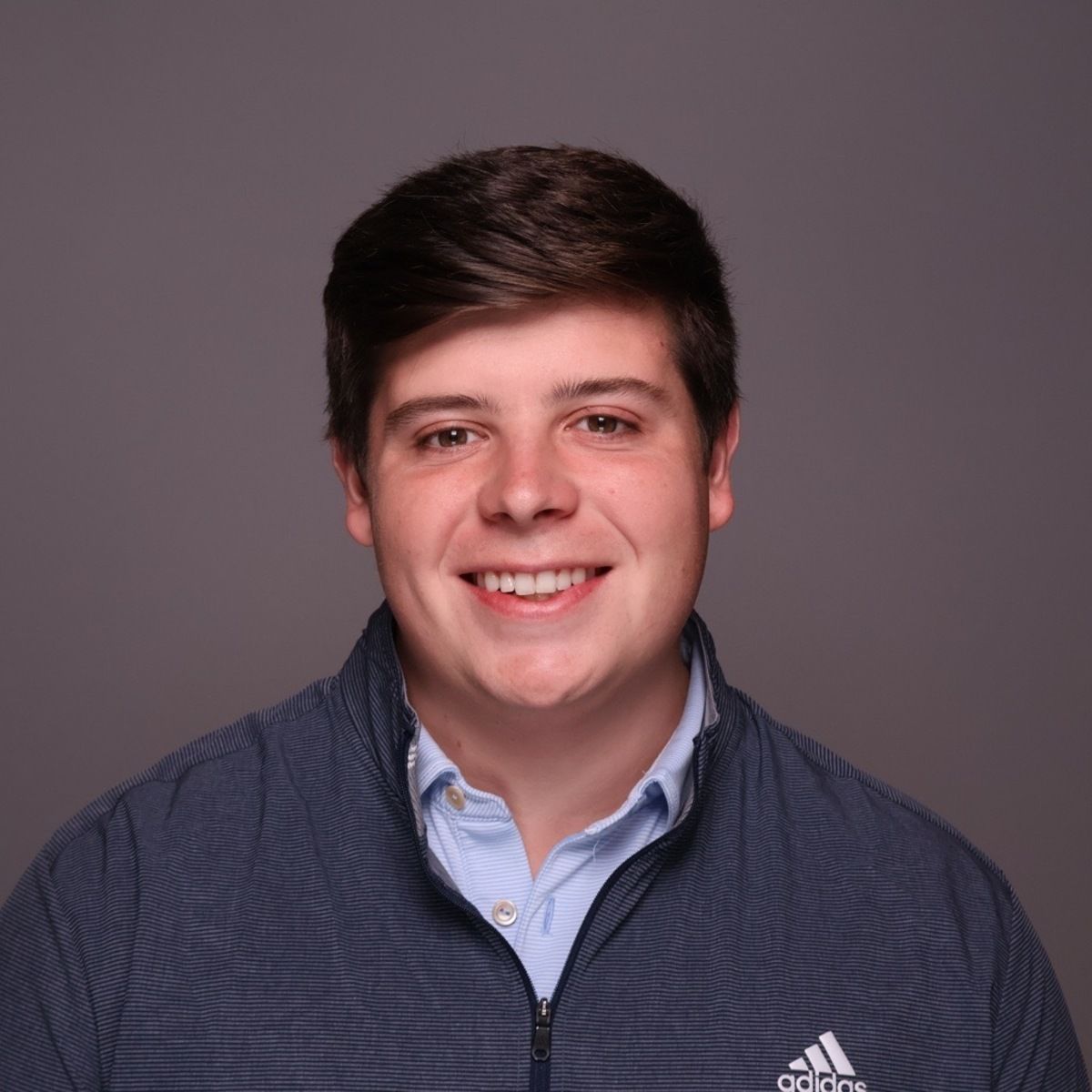
Meet Kent Matthes.
Long before he was negotiating contracts or advising top prospects, Kent Matthes was one of them.
After starring at The University of Alabama, where he was named SEC Player of the Year, earned All-American honors, and finished as a finalist for the Golden Spikes Award, Kent was selected by the Colorado Rockies in the fourth round of the 2009 MLB Draft. Over the next six seasons, he climbed through professional baseball, reached Triple-A, earned a spot on a Major League 40-man roster, and looked well on his way toward realizing the dream he’d chased since childhood.
Then, in one swing, everything changed.
Kent had just been promoted to Triple-A and couldn’t have asked for a better start. In his first series, he went 9-for-14 with four home runs. During the final at-bat of a day game in Sacramento, he swung through a slider and immediately felt something in his lower back.
By the time the team landed home, he could barely walk.
The diagnosis was a bilateral stress fracture in his spine. Surgery carried the risk that he’d never play again, so Kent chose the rehab route instead. He overhauled nearly every part of his lifestyle, cutting out alcohol, dairy, and gluten while changing the way he trained in an effort to reduce inflammation and stay on the field.
Ironically, his body felt better than it had in years, but as the pain subsided, another problem emerged.
As he lost weight under the new diet, the strength and power that had made him a middle-of-the-order hitter slowly disappeared. The home runs he’d once hit were now dying on the warning track. Kent still had opportunities to continue playing, but he knew he wasn’t the same player anymore.
Like many retiring athletes, Kent suddenly found himself asking a question he’d never really considered before.
“Now what?”

Kent’s Career Path
Kent considered medical school, pursuing an MBA, financial advising, staying in baseball - all the options were on the table.
Then the phone rang.
The call came from Creative Artists Agency (CAA), the same agency that had represented Kent throughout his playing career.
The relationships and reputation he had built with the agency as a player had him top of mind when a spot opened up on their team.
Kent went through an extensive interview process against other candidates before ultimately earning an offer to join one of the most respected baseball divisions in sports.
For three years, Kent kept his head down, soaked up everything he could from some of the best agents in the business, and began developing his own perspective on what great representation should look like. He sought out opportunities where he could integrate his newfound passion for health into his work, supporting player wellness, performance optimization, and finding ways to create value for athletes beyond contract negotiations.
As Kent established himself in the industry, recruiters from other agencies began reaching out with opportunities to continue progressing his career.
Many called, but WME ended up winning the race. Not only because they were one of the biggest agencies in the game, but because of a unique relationship they had with IMG Academy, one of the top prep schools in the country.
Performance optimization had become one of Kent’s biggest passions and differentiators in his business. The chance to leverage IMG Academy’s world-class facilities, sports science resources, and player development ecosystem aligned perfectly with the direction he wanted to take his career.
What does an MLB agent do?
When most people think of a sports agent, they picture someone negotiating a massive contract or endorsement deal. While those moments certainly happen, they make up only a small portion of the job.
An MLB agent serves as a player’s advisor, advocate, and strategist throughout every stage of their career. For amateur players, that can mean helping families navigate the recruiting process, evaluating whether college or professional baseball is the better path, preparing for the MLB Draft, and negotiating signing bonuses. Once a player enters professional baseball, an agent becomes a trusted resource for contract negotiations, arbitration, roster decisions, trades, endorsements, financial planning, and career transitions.
The best agents also spend significant time helping players away from the negotiating table. Many coordinate introductions to trainers, nutritionists, physical therapists, mental performance coaches, financial advisors, and other specialists who can help players maximize both their careers and their lives off the field.
But even in his new role, the itch to start his own venture continued to stay on his mind.
So just four years after becoming an agent, Kent founded Stadium Ventures, launching with twelve players who believed in his vision.
He spent his first year focused almost entirely on those twelve clients, making sure they experienced a seamless transition and received the level of attention he believed every player deserved.
Flash forward to today, Stadium Ventures has grown into one of baseball’s fastest-rising boutique agencies, with a six-person staff and more than forty clients. The agency represented four of the top forty selections in this year’s MLB Draft, and has now produced a first-round draft pick in each of the last three years.
Impressive results, but they’re not what Kent talks about first.
Ask him what separates Stadium Ventures, and he’ll spend more time talking about relationships than contracts.
He’ll tell you about the recovery suite the agency built during the MLB Draft Combine, where players had access to body work, nutrition support, meal prep, recovery technology, and wellness partners after long travel days. He’ll explain why they’ve intentionally resisted growing too quickly, choosing instead to protect the personal relationships that first attracted players to the agency.
To Kent, athlete representation isn’t about being the biggest or flashiest in the room. He has never cared about the title or the status.
To him, it’s all about the service to his people.
And that’s why Stadium Ventures continues to grow, one relationship at a time.
Q&A: Founding an MLB Agency with Kent Matthes

Q. You experienced baseball from both sides, first as a player and now as an agent. How has your time as a professional player changed the way you represent athletes today?
A. I think having been exactly where these players are at every step has been incredibly beneficial. I was recruited by SEC schools, became a high school All-American, played college baseball, got drafted, worked my way through the minor leagues, dealt with injuries, got added to the 40-man roster, and was claimed on waivers. Almost everything players are going to experience, I either went through personally or saw teammates and close friends go through.
Whether it's draft day, offseason workouts, conversations with club officials, or navigating the business side of baseball, I've experienced it firsthand. That allows me to relate to players as they're going through many of those same situations.
Q. After working at both CAA and WME, you made the decision to start Stadium Ventures. What did you want to build that you felt didn't already exist?
A. For me, there wasn't a boutique option that combined the expertise and resources of a large agency with the personalized relationships of a smaller one. It often felt like you had to choose between the two. You either had the resources and experience that come with a large agency, or you had the close relationships and lower client volume of a boutique firm.
We wanted to create the best of both worlds. We have the knowledge, experience, and expertise, but with a more consolidated client roster. That allows us to provide elite representation while still building authentic relationships with every player we represent.
Q. For students who dream about becoming a sports agent, what separate the people who eventually make it from those who don't?
A. Patience is incredibly important, but the biggest thing I've learned is that the less your identity is tied to being an agent, the more successful you'll be.
If you get into this business because you want to tell people you're an agent, go to parties with players, or put the title on your LinkedIn profile, you're getting into it for the wrong reasons.
This is a service business. If you're here to facilitate change, serve your players, and help them succeed without needing the recognition yourself, you'll have much more success. The more you view this as a calling and an opportunity to serve, rather than something that looks cool, the better prepared you'll be for this profession.
Key Takeaways
1. Your biggest challenges are your advantage
Kent's injuries, rehab, roster moves, and ultimately retiring as a player became the experiences that now allow him to guide athletes through the same moments with empathy and perspective.
2. Build intentionally
Stadium Ventures wasn't created simply because Kent wanted to own an agency. It was built around specific convictions about athlete representation, performance optimization, and putting relationships ahead of transactions.
3. Know your goal
While many agencies measure success by the number of clients they represent, Kent has intentionally prioritized depth over scale. By staying patient and protecting the boutique feel of the agency, he's been able to build stronger relationships and better serve the athletes who trust him.
Feeling Inspired?
If you want to work in baseball, I've got a resource worth sharing.
My good friend Nick Bowins runs a newsletter called Working in Baseball.
Every week he rounds up dozens of real openings across the sport. Front office roles, coaching and player development jobs, and analytics and business-side positions with MLB clubs, minor league teams, and college programs.
It's a great resource to leverage if you want to work in the industry, whether you're just starting out or looking for your next move.
Worth a subscribe if a baseball career is on your radar: workinginbaseball.beehiiv.com
Closing Thoughts
Thank you for reading this week’s edition of So You Want to Work in Sports. I appreciate you being part of this community.
If you have ideas, feedback, or future guest suggestions, feel free to reach out at [email protected].
If you want more hands-on support as you navigate the start of your career within sports, book a 1:1 session with me here. The sooner you start preparing, the more confident you will feel when opportunities come your way.
Win the week!
-Ethan
Want more from Kent?
Connect on LinkedIn
What if ChatGPT recommends your competitor first?

Over 2,500 businesses already show up in ChatGPT, Perplexity, and Google. AutoSEO writes expert articles and earns backlinks while they sleep. No SEO learning curve. No agency. Set it up once and let it run.